
The Gulfstream G550 Remains a Power Platform for Professional Pilots
Feb 25, 2026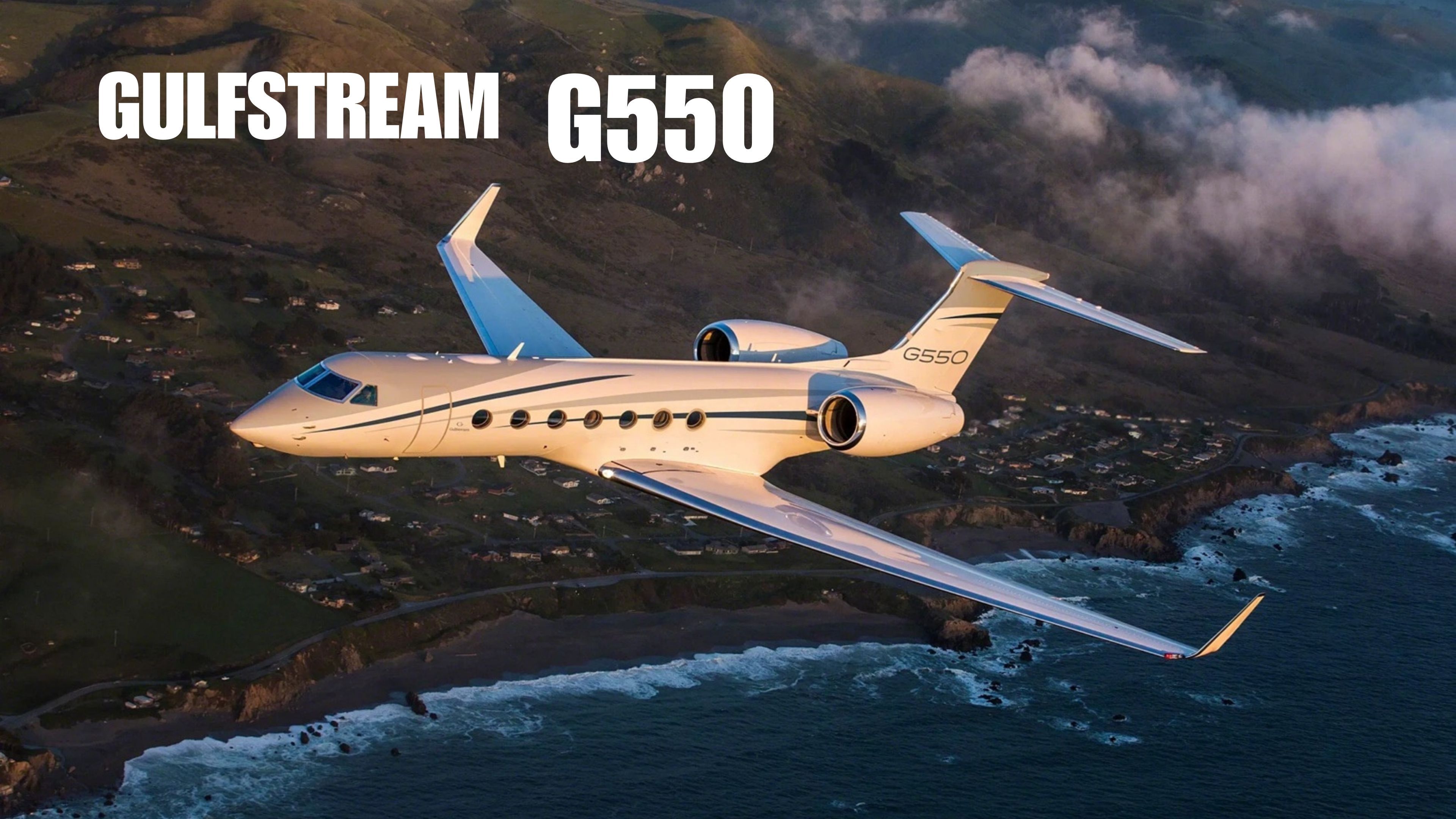
For those of you who command the Gulfstream G550, you already understand that this aircraft represents far more than a type rating on your certificate. It represents capability, credibility, and global reach. Even in a market now populated with newer platforms, the G550 continues to hold a respected position in long-range business aviation because it delivers what operators value most: range, reliability, dispatch consistency, and operational flexibility. As a captain, you are not just flying an airplane — you are commanding a transcontinental, transoceanic asset capable of linking New York to Dubai, Los Angeles to London, or Singapore to Sydney with confidence and performance margins to spare.
The G550’s endurance and performance envelope continue to make it relevant in today’s charter and corporate flight departments. With over 6,000 nautical miles of range, high-altitude cruise capability to FL510, and strong climb performance supported by the Rolls-Royce BR710 engines, the aircraft provides mission flexibility that operators depend on. For you, the captain, this translates into strategic flight planning advantages — better fuel efficiency profiles, high-altitude weather avoidance options, and optimized long-range cruise performance that supports both passenger comfort and operational economics. In practical terms, you are flying a machine engineered for the global mission set.
Commands Cockpit Authority and Operational Mastery
The PlaneView™ flight deck remains one of the defining strengths of the G550. The integration of large-format displays, FMS-driven performance calculations, HUD/EVS capability, and advanced autopilot systems gives you command authority without unnecessary workload saturation. The avionics architecture is mature, stable, and proven — which matters when you are managing oceanic clearances, CPDLC communication, RNP procedures, and complex international airspace transitions.
As a professional captain, your value is measured not only by your logbook hours but by how effectively you manage risk, workload, and crew coordination. The G550’s systems architecture supports that objective. Automation is purposeful — it enhances situational awareness rather than replacing airmanship. When you brief a low-visibility approach using EVS, calculate drift-down performance across the North Atlantic, or optimize climb schedules for fuel efficiency, you are leveraging a cockpit designed to elevate professional performance standards.
The Gulfstream G550 Is A Strategic Asset for Contract Pilots
For those of you operating as contract captains, the G550 is more than an aircraft — it is a market differentiator. The demand for typed and current G550 captains remains strong because many operators still rely on this platform for long-range charter, owner-flown missions, and corporate global travel. The aircraft’s widespread global fleet means consistent opportunity across the United States, Europe, the Middle East, and Asia.
As a contract pilot, you are often stepping into flight departments on short notice. Reliability and familiarity matter. The G550’s proven maintenance history and established training ecosystem (FlightSafety and CAE) give operators confidence that a qualified contract captain can integrate quickly and perform at a high level. When you show up current, systems-fluent, and internationally experienced, you reduce training friction for the operator — and that increases your perceived value.
Additionally, G550 contract work frequently involves international missions, extended duty periods, and complex routing. Captains who understand oceanic procedures, international handling coordination, RVSM/RNP requirements, and performance planning for long-haul missions command higher day rates and greater repeat business. In this segment of business aviation, competence directly influences compensation.
Your Financial and Career Value
From a compensation standpoint, the G550 continues to sit in the upper tier of large-cabin business jet day rates. As a contract captain, this aircraft category allows you to position yourself at the premium end of the market — especially if you maintain current recurrent training, international procedures proficiency, and strong CRM leadership skills.
For career captains in full-time corporate roles, the G550 remains a respected command position. It signals long-range operational experience, international exposure, and systems depth. Even as newer platforms such as the G600 and G700 expand in the fleet, the G550 still holds strategic relevance. Its installed base ensures continued demand for experienced captains who can manage both legacy and transitional fleets.
The Intangible: Your Professional Credibility
There is also a reputational element. Within business aviation, the G550 has long been viewed as a benchmark long-range jet. Captains who have commanded it are associated with global capability, executive-level operations, and high standards of safety and performance. That perception carries weight when negotiating contracts, pursuing management roles, or expanding into consulting or training opportunities.
The G550 remains a platform that enhances your professional brand. It demonstrates that you can manage long-range mission complexity, high-profile passengers, and technically sophisticated systems with confidence.